People asking which fence lasts longest in Ocala are really asking about water. The city averages 51.64 inches of rain a year, and June, July and August each bring about 7 inches, according to the climate data on Wikipedia. Add Ocala's hot, humid summers and the base of a fence post stays damp for much of the year. That's what wears fences out here, more than cold or freezes.
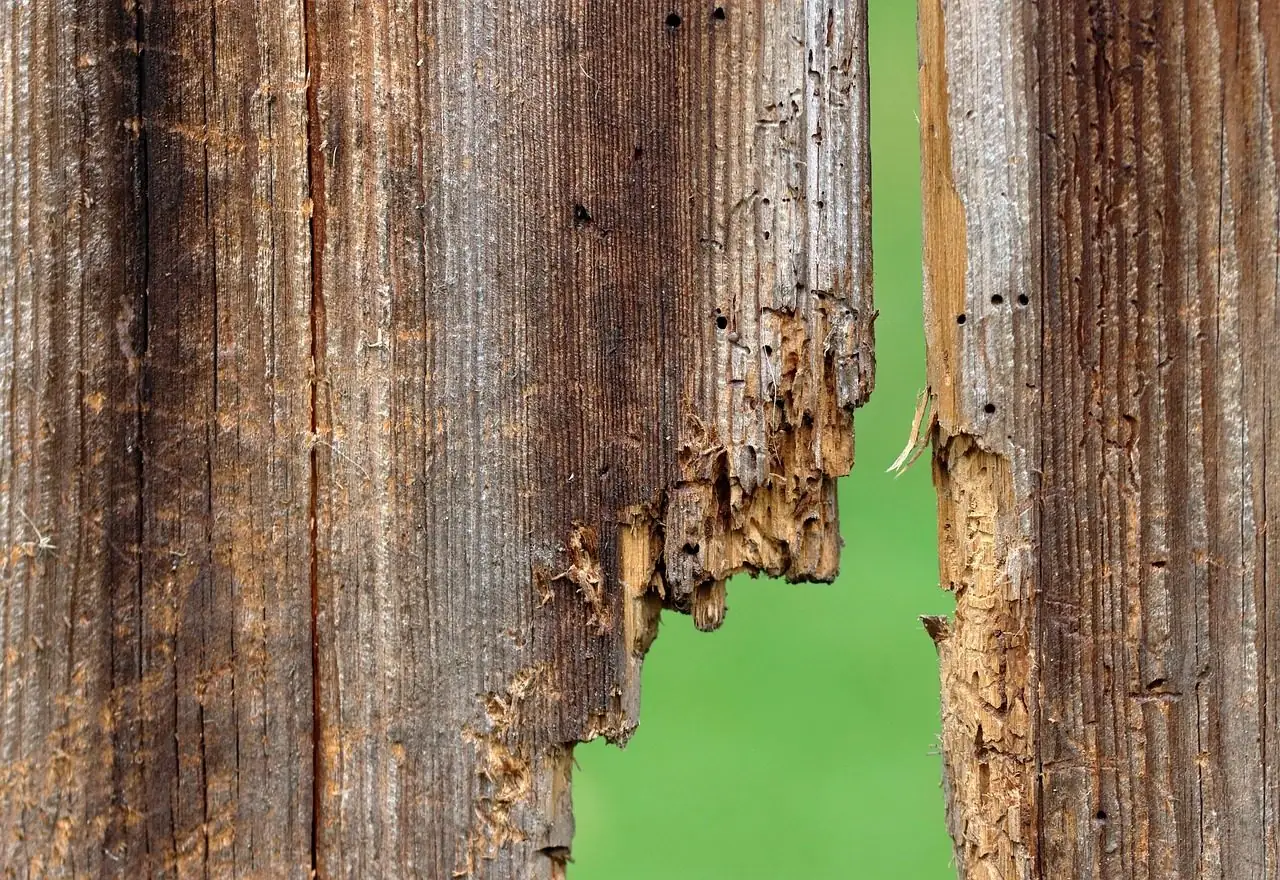
Wood: buy the right treatment
Pressure-treated pine is sold at different preservative levels, and the label matters. The University of Georgia's fence bulletin lists 0.25 pounds per cubic foot as the standard for wood exposed only to weather, 0.4 for fence posts, and 0.5 to 0.6 for sawn lumber in ground contact. A post treated only for above-ground use will rot early in wet sand. The same bulletin warns that landscape timbers are not treated for ground contact. On a wood fence, ask which rating the posts carry, not just whether they're "treated."
The boards above ground take sun and rain rather than standing water. A sealer or stain slows graying and splitting; it's maintenance, not a structural need.
Vinyl and aluminum: no rot, different questions
Neither material rots. With vinyl, the questions are UV resistance, wall thickness and how gate posts are reinforced, since vinyl posts are hollow. With aluminum, the question is the strength of the panel and how the posts are set. Both cost more per foot than wood in Angi's national ranges, which is the price of skipping repainting and post rot.
Chain link: galvanized or coated
Galvanized steel mesh resists rust; vinyl-coated mesh adds a second barrier and a color. Either holds up well in rain, though the coating costs more.
Drainage around the posts
Post holes in sandy ground drain fast, but a post set where water pools after a summer storm stays wet much longer. If your yard has low spots that flood after storms, mention them when you ask for a quote. Moving a line a few feet, or concreting just the gate and corner posts, can add years.
A quick comparison
| Material | Main weather risk in Ocala | What to ask |
|---|---|---|
| Wood | Rot at the ground line | Are posts rated for ground contact (0.4 lb/ft³ or more)? |
| Vinyl | Sun exposure, hollow posts at gates | What does the warranty cover? Are gate posts reinforced? |
| Aluminum | Panel strength | What grade of panel and post? |
| Chain link | Rust on uncoated wire | Galvanized only, or vinyl-coated too? |
Sources
- Wikipedia: Ocala, Florida
- University of Georgia Cooperative Extension Bulletin 1192: Fences for Horses (J. W. Worley, revised June 2024)
- Angi: How Much Does Fence Installation Cost? (national survey data, checked November 2026)
Checked November 10, 2026. City rules, statutes and price surveys change, so the linked original is the final word.