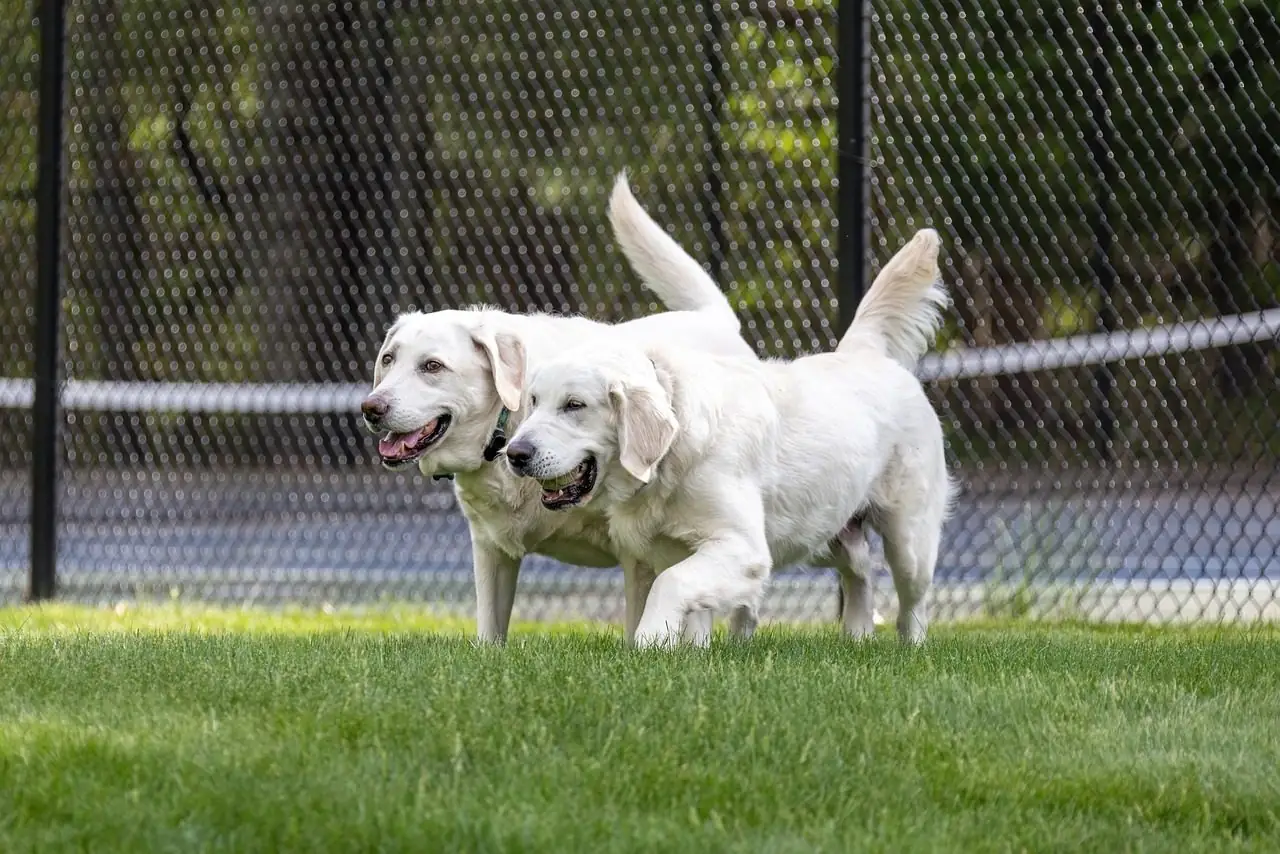
Chain link is the workhorse: it keeps dogs in the yard, marks a property line, and fences a garden or play area for less money than any other common material. In Ocala it shows up along back lot lines, around equipment yards and on rural parcels where privacy isn't the point.
Options that change the price
| Choice | What it changes |
|---|---|
| Galvanized vs. vinyl-coated | Coated mesh (usually black or green) blends in and resists corrosion; it costs more. |
| Height | 4 ft keeps pets in; 5 to 6 ft for bigger dogs or security. |
| Wire gauge | Lower gauge numbers mean thicker, stiffer wire. |
| Privacy slats | Slats woven into the mesh add screening at extra cost. |
| Gates | Walk gates and wide drive gates add posts and hardware. |
Angi's national range is $8 to $40 per linear foot, and the low end is why chain link stays popular for long runs.
Permits and lot lines
The City of Ocala's rule that residential fences 6 feet and under need no building permit applies to chain link too. Commercial fences are different: the city requires a site permit for every commercial fence, whatever its height or material. If you're not sure exactly where the property line runs, a survey is cheaper than moving a fence later. Setback questions go to the city's Planning Department, as the building office notes.
Where chain link makes sense
- Dog runs and back lot lines
- Garden and play-area enclosures
- Rural parcels where cost per foot matters more than looks
- Temporary or utility fencing around a shop or storage area
Sources
- Angi: How Much Does Fence Installation Cost? (national survey data, checked November 2026)
- City of Ocala Growth Management: Building Services ("Do I need a permit for a fence?")
Checked November 10, 2026. City rules, statutes and price surveys change, so the linked original is the final word.